
Your plumbing system works behind the scenes every day, delivering clean water and removing waste efficiently. Because most of it is hidden, small problems can develop without obvious warning signs. A professional plumbing inspection helps detect these issues early, protecting your home and ensuring your system operates safely and reliably.
Why Regular Plumbing Inspections Matter
Routine inspections are one of the most effective ways to prevent unexpected plumbing problems. Over time, pipes, valves, and fixtures experience normal wear that can lead to leaks, corrosion, or reduced performance.
A professional evaluation helps identify these concerns before they result in water damage or costly repairs. Preventive care also supports consistent water pressure, reliable hot water, and proper drainage throughout your home.
Detecting Hidden Leaks
Many plumbing leaks occur in areas that are not immediately visible, such as behind walls, beneath flooring, or near utility connections. These leaks can cause gradual structural damage and create conditions for mold growth if left unaddressed.
During an inspection, technicians look for signs of moisture, corrosion, and weakened connections. Identifying hidden leaks early helps protect your home and reduces the likelihood of major repairs later.
Checking Valves and Shutoffs
Shutoff valves play a critical role in controlling water flow during repairs or emergencies. If a valve becomes stuck or fails to operate properly, it can make it difficult to stop water quickly when needed.
A plumbing inspection includes testing these valves to ensure they function correctly. Confirming that shutoffs are accessible and operational provides an added layer of protection for your home.
Inspecting the Water Heater
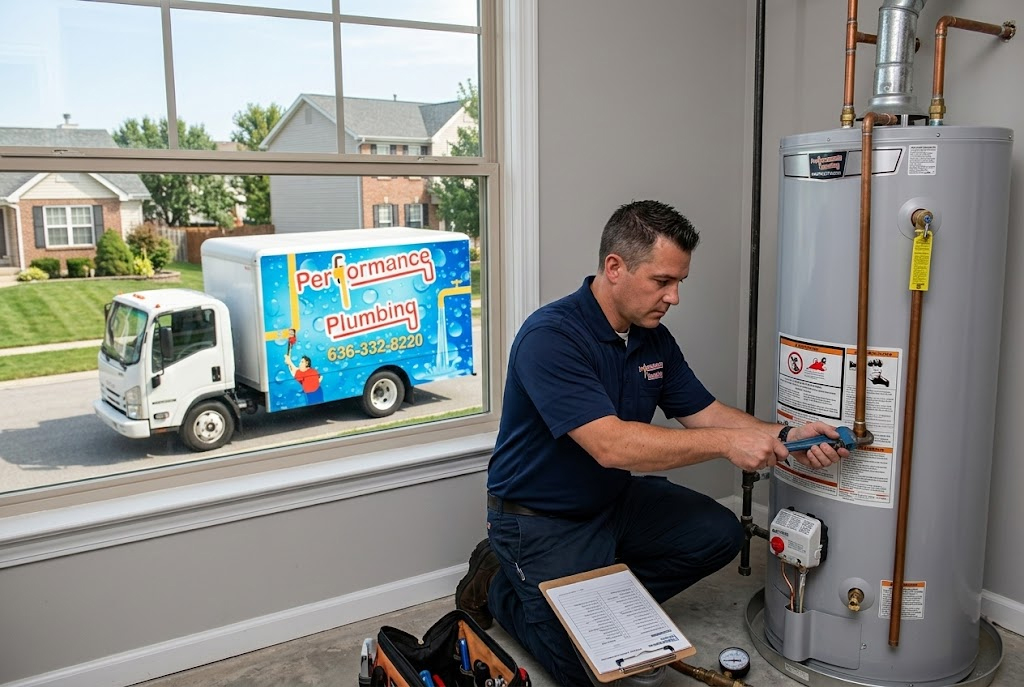
Your water heater is one of the most important components of your plumbing system. Over time, sediment buildup, corrosion, and worn parts can reduce efficiency and affect performance.
During an inspection, technicians evaluate the unit for proper operation, check connections, and look for early signs of wear. This helps maintain consistent hot water while extending the lifespan of the equipment.
Ensuring Safe Water Pressure
Water pressure that is too high can place stress on pipes, fixtures, and appliances. This added strain increases the risk of leaks and premature component failure.
A professional inspection includes measuring water pressure and verifying that it falls within a safe range. If adjustments are needed, technicians can recommend solutions that help protect your plumbing system.
Assessing Fixture Integrity
Faucets, sinks, toilets, and other fixtures are used daily and can develop small issues over time. Loose connections, worn seals, and minor leaks may not seem significant at first, but can lead to larger problems if ignored.
Inspecting fixtures helps ensure they are functioning properly and efficiently. Addressing small concerns early helps maintain reliable performance and reduces water waste.
What to Expect During a Professional Inspection
When a licensed plumber performs an inspection, they follow a systematic process that covers all major components of your plumbing system. This includes evaluating visible piping, testing valves, checking for leaks, inspecting the water heater, and assessing overall system performance. You will receive clear feedback on the condition of your plumbing and recommendations for any necessary maintenance or repairs.
Contact Performance Plumbing today to schedule your professional inspection and gain peace of mind knowing your home’s plumbing is in expert hands.