
As winter ends and spring approaches, it’s a good time to check your plumbing system for issues that may have developed during the colder months. Freezing temperatures, increased indoor water use, and normal seasonal wear can all impact plumbing components. When temperatures begin to warm up, small problems that went unnoticed during winter can start to appear.
Performing a simple post-winter plumbing check can help catch minor concerns early and ensure your system is ready for the increased water use that often comes with spring cleaning, gardening, and outdoor projects.
Check Your Water Pressure
One of the first things to evaluate is your home’s water pressure. If water flow feels weaker than usual at sinks or showers, it may indicate buildup in fixtures, small pipe restrictions, or a developing leak somewhere in the system.
Winter weather can sometimes contribute to these changes. Temperature fluctuations may shift sediment inside pipes or affect older plumbing components. Testing multiple faucets throughout the home can help determine whether the issue is isolated or affecting the entire system.
Inspect Faucets and Showerheads
Faucets and showerheads should also be checked during your post-winter plumbing inspection. These fixtures contain washers and seals that can wear over time. Cold weather and pressure changes may cause these parts to weaken or loosen.
Look for dripping faucets, reduced water flow, or buildup around aerators and showerheads. Mineral deposits can restrict water flow, but cleaning these areas often helps restore stronger pressure. Catching small fixture issues early can prevent them from becoming larger plumbing repairs later in the season.
Look for Leaks Around Fixtures
Winter temperature changes can cause pipes and connections to expand and contract. This movement may loosen fittings or weaken seals around certain plumbing fixtures.
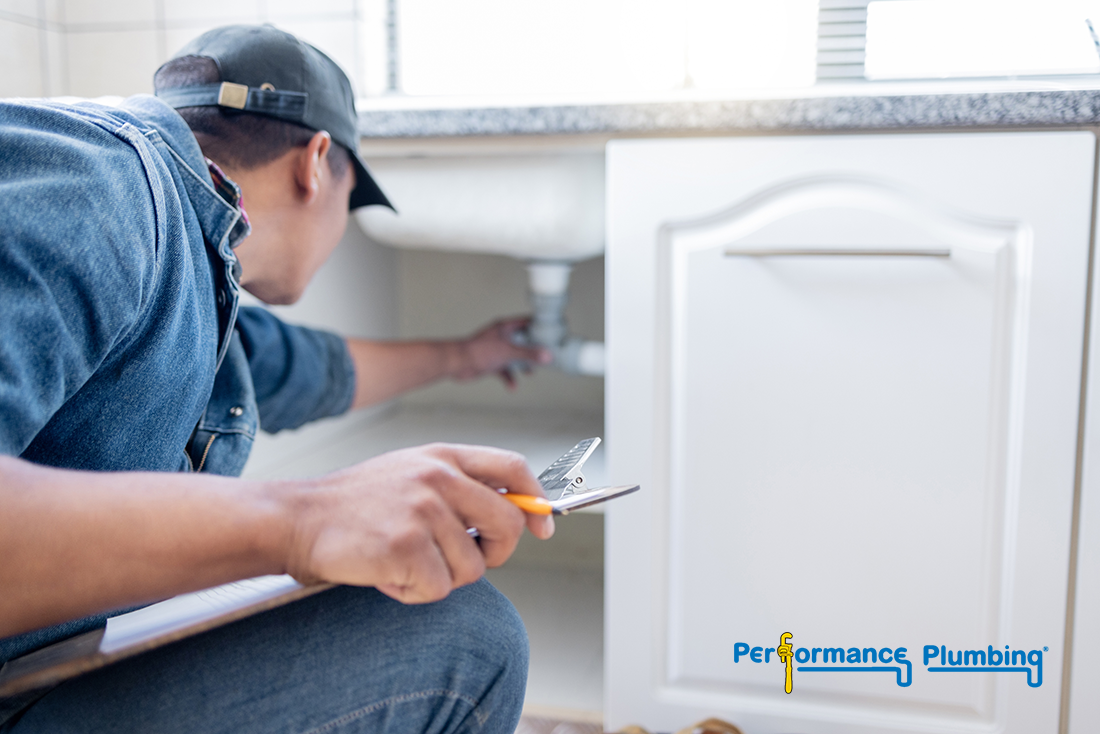
Check under sinks, around toilets, and near visible pipes for any signs of moisture. Water stains, damp cabinets, or small puddles may indicate a leak that needs attention. Identifying these issues early helps prevent water damage and keeps your plumbing system operating efficiently.
Test Outdoor Spigots and Hose Bibs
Outdoor plumbing fixtures are particularly vulnerable to freezing temperatures. Even when precautions are taken, hose bibs and spigots can still develop issues during winter.
When temperatures rise, turn on each outdoor faucet and watch for leaks or irregular water flow. If water sprays from behind the faucet or pressure seems weak, the pipe inside the wall may have been affected by freezing. Checking hoses and outdoor connections before regular use begins can help prevent surprises once spring yard work starts.
Check Your Sump Pump
If your home has a sump pump, spring is the perfect time to test it. Seasonal rainfall and melting snow can increase moisture around your foundation. Pour a small amount of water into the sump pit to ensure the pump activates properly and the discharge line moves water away from the home.
Schedule Professional Plumbing Service
While basic inspections are helpful, a professional plumbing evaluation can identify hidden concerns. A plumber can check water pressure, inspect fixtures, and ensure outdoor plumbing connections are functioning correctly. Preparing your plumbing system after winter helps ensure reliable performance throughout the spring season.
Contact Performance Plumbing today to schedule a professional plumbing inspection.