
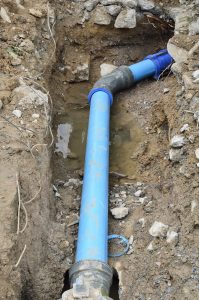
 Of all the various parts of a home’s plumbing system that are important, the most important is the water line. This is the pipe through which all water flows before it reaches your home, which means that if there’s a problem with it, it can affect your entire plumbing system. It’s in your best interest to make sure that you keep your water line in the best possible condition. So how do you do that? Well, you can start by following the tips we’ve outlined below.
What You Need to Know About Your Water Line
February 19th, 2018Keep Your Water Heater in Good Shape With These Tips
February 5th, 2018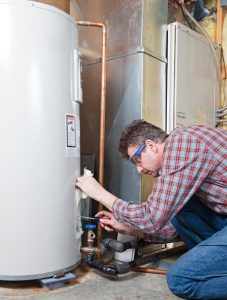 Water heaters are built to last, but they’re not invincible. If you don’t take proper care of your water heater, you may find yourself having to replace the system years sooner than you thought. Fortunately for you, we’re here to supply you with the best tips around for keeping your water heater in top operating condition. Read on to find out how to keep your water heater in good shape.
Make Sure You Call for Plumbing Repairs if You Notice These Symptoms
January 22nd, 2018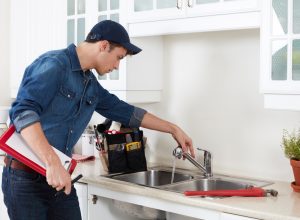 There are a lot of different plumbing issues that you may find yourself dealing with over the years. Some of them are big, attention grabbing, and damaging. Others are more subtle, and may go months or years without being noticed. Regardless, though, if you want to protect your plumbing system it’s recommended that you be able to catch plumbing problems as early as possible.
Now, ideally you should be scheduling plumbing maintenance to make sure that your system is kept in proper shape. This will also allow your plumber to find and fix problems you didn’t even know you had. However, you should also be familiar with some warning signs that indicate a need for repairs.
Do I Need to Schedule Drain Cleaning Services?
January 8th, 2018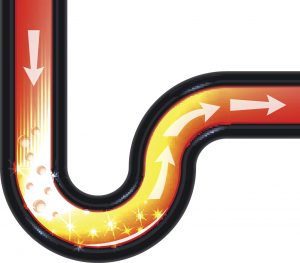 When most people experience a clog with the drains in their home, the first thing they do is resort to store bought drain cleaner. If you want your drains to stay in good condition for as long as possible, you will not do this. Store bought drain cleaners operate by using extremely caustic materials to melt whatever is causing the clog. They’ll clean out your drains, sure, but using them over a long period of time will also damage the drain pipes.
The best thing to do when you encounter a drain clog is to have a professional plumber take care of it for you. Professionals use non-corrosive means to clean drains, solving the problem for you without creating new issues down the road. If you aren’t sure whether or not you even need drain cleaning services, check out our list below.
Careful of These Signs That Your Water Heater is in Trouble
December 25th, 2017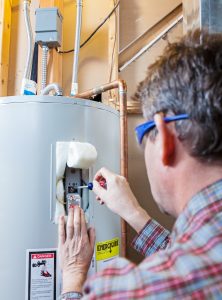 Water heaters are designed to put up with quite a lot of strain over the years. After all, many of them are in operation 24/7. Even the best-designed systems are going to eventually have some problems come up, though. It’s important that you be able to recognize when your water heater is experiencing issues, so that you can have it repaired as soon as possible. Have a look at some of the signs below that your water heater is having issues.
Limescale, How Does it Work?
December 11th, 2017 There are a lot of different problems that can afflict plumbing systems across the country, from leaks to frozen pipes. One common problem that many homeowners have in their plumbing systems, and which most of them are not even aware of, is limescale. Limescale is the result of hard water exposure, a common issue that may start small, but can become quite a bit larger as time goes on. Though it isn’t a threat to you personally, it can cause a lot of problems for your plumbing system’s health and efficiency. Have a look at how hard water causes limescale, how to identify it in your home, and what to do about it if you find it.
Indications That You Should Call for a Professional Plumber
November 27th, 2017 One of the biggest challenges with keeping a plumbing system in good condition is detecting problems before they have the chance to cause serious damage. Most of the system is hidden from sight, and a lot of the issues that commonly afflict plumbing systems don’t show obvious signs at first. Without professional training or equipment, you have to know what to look for if you want to catch plumbing problems in time to prevent a lot of the damage they can cause. Have a look below for some of the more common signs that you should call for a plumber.
Should I Install a New Water Heater?
November 13th, 2017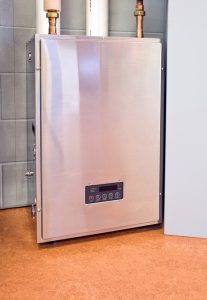 If you take excellent care of your water heater, and you’re a bit lucky, you can expect to get many years of service out of it. Even the best-kept water heater won’t last forever, though. If you’re not sure whether or not your current water heater can get you through the next season, now would be an excellent time to install a new one. You don’t want your water heater to break down permanently in the middle of winter, do you? Have a look at some of the signs that you should install a new water heater sooner rather than later.
How to Tell If You Need a Water Treatment System
October 30th, 2017 How clean the water in your plumbing system is depends on where you live, and the efficiency of your city’s water treatment plant. No matter how good your city’s municipal treatment systems are, though, they cannot be 100% effective. There will always be some level of contaminants that manage to escape the treatment process and make it into your home. Not to mention that if you get your water from somewhere other than the city in which you live, it may not be getting any treatment at all. It’s important that you take steps to protect your home from the dangerous contaminants that might infiltrate it through the water supply. The best way to do that is to install a water treatment system. Read on for some of the warning signs that you need to install a water treatment system in your home.
How to Prevent Frozen Pipes This Winter
October 16th, 2017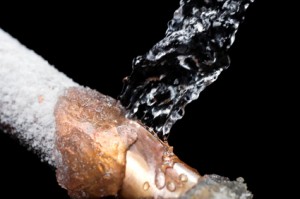 A lot of people focus on getting their heating systems in shape when the temperature outside starts to drop. That’s a good idea, of course, but it’s not the only thing you should do to prepare your home for the cold season. Your plumbing system needs to be prepared, as well. Frozen pipes have the ability to wreak quite a bit of havoc on your system if you don’t prepare for them. Fortunately, you can take some measures to limit the chances of your pipes freezing as much as possible. Read on to find out how.