
Winter can be one of the toughest seasons for your plumbing system. As temperatures drop, pipes face conditions that increase the risk of freezing, contraction, and leaks. Many winter plumbing emergencies start small and escalate quickly, often when they’re least expected. Understanding why winter is high-risk—and knowing what steps to take—can help protect your home from costly damage. This winter plumbing survival guide outlines common risks, practical prevention steps, and signs that professional service may be needed.
Why Winter Is High-Risk for Plumbing Problems
Cold temperatures cause water inside pipes to cool and potentially freeze. When water freezes, it expands, placing pressure on pipe walls. This pressure can lead to cracks or bursts, especially in pipes near exterior walls, crawl spaces, or unheated areas.
Even when pipes don’t freeze completely, temperature fluctuations cause repeated expansion and contraction. Over time, this movement weakens joints and connections, increasing the likelihood of leaks. Many winter plumbing issues remain hidden until temperatures rise and water begins leaking into walls, ceilings, or floors.
Insulate Exposed Pipes Before Temperatures Drop
Insulating exposed pipes is one of the most effective ways to reduce the risk of freezing. Pipes located in basements, garages, attics, and under sinks should be checked for adequate insulation. Adding insulation helps stabilize pipe temperatures during cold nights.
Sealing drafts near plumbing access points also limits cold air exposure. These simple steps can significantly lower the chance of winter-related pipe damage.
Disconnect Outdoor Hoses and Protect Exterior Faucets
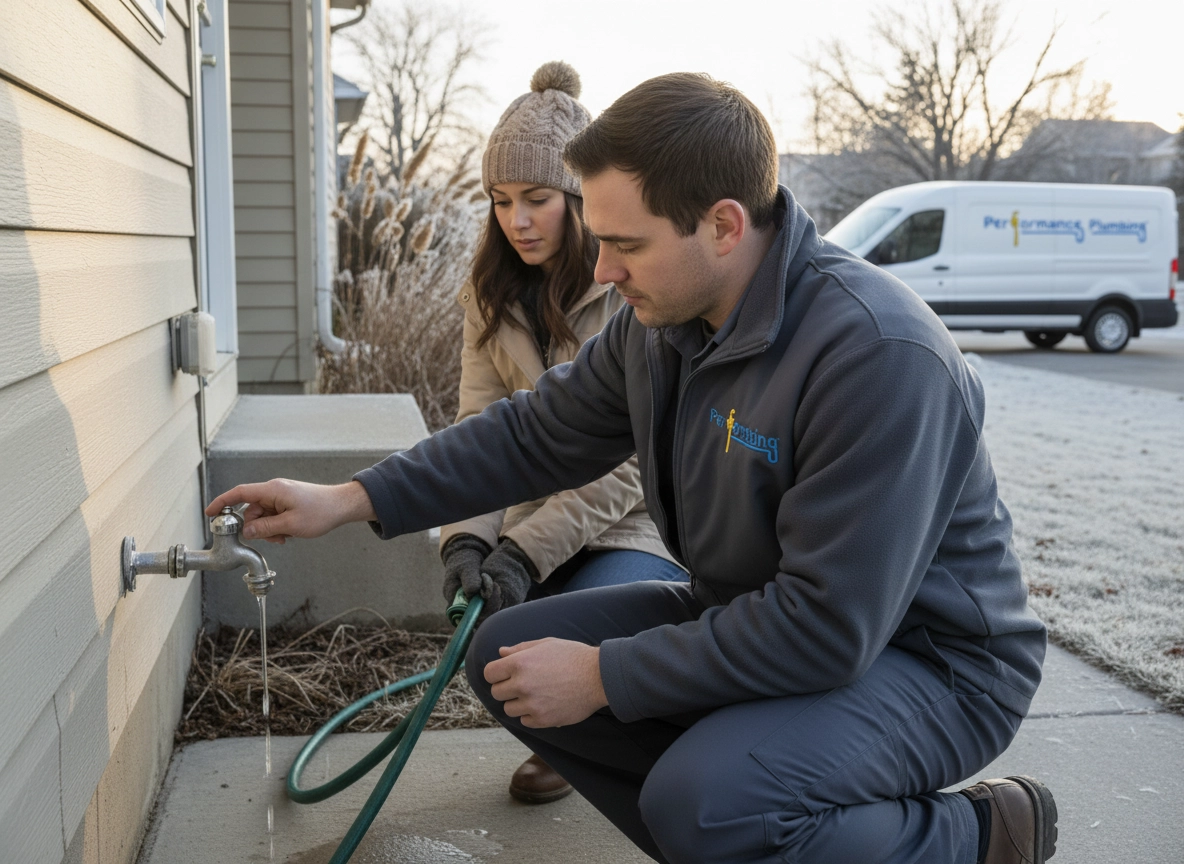
Outdoor plumbing is particularly vulnerable during winter. Leaving hoses connected can trap water inside exterior faucets, increasing the risk of freezing and cracking.
Disconnecting hoses and protecting exterior faucets helps prevent damage that can extend into interior plumbing lines. Addressing outdoor connections early reduces the likelihood of sudden leaks during overnight temperature drops.
Maintain Consistent Indoor Temperatures
Keeping steady indoor temperatures is another important winter plumbing precaution. Allowing indoor temperatures to drop too low can expose pipes inside walls and floors to freezing conditions. Maintaining consistent warmth throughout the home helps protect hidden plumbing lines, especially during the night or extended cold periods.
Watch for Early Warning Signs of Plumbing Trouble
Winter plumbing problems often present subtle warning signs. Changes in water pressure, unexplained damp spots, or unusual sounds in pipes can indicate developing issues.
Checking areas around sinks, appliances, and water heaters for signs of moisture helps catch problems early. Addressing these warning signs promptly can prevent larger repairs and water damage.
When DIY Checks Aren’t Enough
While many preventive steps can be handled by homeowners, some situations require professional attention. Suspected hidden leaks, sudden pressure changes, or inconsistent hot water are all signs that service may be needed.
Water heater concerns are also more common in winter due to increased demand and colder incoming water temperatures. Professional evaluation ensures systems operate safely and efficiently.
Why Professional Winter Plumbing Inspections Matter
Professional plumbing inspections can uncover vulnerabilities not visible during routine checks. Our plumbers assess pipe condition, connections, and system performance to help prevent winter-related failures. Scheduling service before issues escalate provides peace of mind and helps ensure your plumbing system is prepared for winter conditions.
Contact Performance Plumbing today to schedule plumbing service!