These days, with homeowners spending a lot more time in their living spaces than ever before, it’s easy to understand why home comfort has become a bit of a buzzword. Home comfort means a lot of things—having the right HVAC systems in place, addressing any indoor air quality issues you might have, and maintaining your plumbing system. A big part of that plumbing system? Your water heater!
Water heaters are one of the unsung heroes of any home. They’re an appliance we use every day and yet you likely take it for granted. Due to this, you may actually be using your water heater inefficiently, and paying more than you should have to in order to use it. The good news is, there are ways to boost your water heater efficiency. Read on as we uncover some of them!
The thing about scaling, is that it’s easy to clean out and off of facuets and drain openings. But it’s not so easy to clean out when it comes to your water heater—for that you will need professional maintenance.
When it comes to water heater service, it’s important to answer common questions about who should handle installation or repairs. Professional water heater service is essential to ensure your system is installed correctly, maintained regularly, and ready to support your daily routine with minimal disruption. Water heaters play a crucial role in keeping your house comfortable and functional, providing hot water for showers, cleaning, and more.
If there is any appliance in the average home that gets taken the most for granted, we’re going to hazard a guess and say it’s the water heater. We rely on these systems the most out of all the other systems in our home, but don’t typically think about them, until something goes wrong. When your water heater stops working, it can disrupt your daily routine and requires prompt, reliable service to restore comfort. Dealing with the inconvenience of no hot water can be a major challenge, making it important to address repairs quickly.
While a handyman can answer minor water heater needs and is suitable for small jobs, a certified plumber is the best choice for complex installation or repair tasks.
Introduction to Water Heaters
Water heaters are the unsung heroes of our daily routines, quietly ensuring that hot water is always ready when we need it—whether it’s for a relaxing shower, washing dishes, or doing laundry. As a crucial part of any residential or commercial plumbing system, a reliable water heater keeps hot water flowing throughout your home, supporting comfort and convenience every day.
There are several different types of water heaters to choose from, each offering unique advantages. Electric water heaters are a popular choice for many homeowners thanks to their straightforward installation and safety features. Heating elements in electric water heaters are a common failure point and may need to be replaced to fix issues with hot water supply. Gas water heaters, on the other hand, are known for their efficiency and ability to heat water quickly, making them ideal for households with higher hot water usage. Tankless systems, also called on-demand or tankless models, provide endless hot water by heating water only when you need it, saving space and energy in the process.
No matter which type of water heater you have, professional water heater services are essential to keep your system working properly. From expert water heater installation to timely water heater repair, trained technicians ensure your unit operates safely and efficiently. Routine maintenance—such as checking the temperature and pressure relief valve, inspecting the anode rod, and removing sediment buildup—can help prevent common problems like leaks, corrosion, and strange noises, while also extending the life of your water heater. Common issues that may require service include broken heating elements, thermostat problems, and sediment buildup. The average lifespan of a tank water heater is 10 years, and if your unit is over 8–12 years old, it may be time for repair or replacement. Heating element replacement is necessary for electric units failing to produce hot water.
Choosing the right water heater for your home involves considering factors like hot water usage, available space, energy efficiency, and your household’s specific needs. Whether you’re interested in electric units, gas systems, or the latest tankless models, professional installation and regular maintenance are key to enjoying reliable hot water and peace of mind. If your water heater develops a problem, it’s important to call a professional to fix the issue and restore your hot water supply.
In the following sections, we’ll dive deeper into the details of water heater installation, repair, and maintenance, explore the benefits of professional services, and help you decide which type of water heater is the best fit for your home or business.
Hot Water Needs and Usage
Understanding your household’s hot water needs is the first step toward a successful water heater installation. Every home is unique, and the amount of hot water you require depends on several factors, including the number of people living in your house, your daily routines, and your personal preferences. For example, a busy family with multiple bathrooms and frequent laundry loads will have a much higher hot water usage than a single resident in a compact apartment.
Professional water heater services can help you accurately assess your hot water demand by considering your lifestyle, the frequency of showers, dishwashing, and laundry, as well as any special requirements you might have. This assessment ensures that your new water heater is sized correctly, so you always have reliable hot water flowing when you need it most. Choosing the right heater for your installation means you won’t have to worry about running out of hot water during peak times or wasting energy on an oversized unit. By working with professionals, you can be confident that your water heater installation will meet your needs, support your daily life, and provide consistent, efficient hot water for years to come.
What are the benefits of installing a tankless water heater?
Installing a tankless water heater provides on-demand hot water, greater energy efficiency, and a longer lifespan compared to traditional tanks. The main difference between tank and tankless water heaters is that tank models store and continuously heat a large volume of water, while tankless units heat water only as needed, providing hot water instantly and saving energy. These units save space, reduce standby energy loss, and offer lower utility bills over time. While initial installation can be more expensive, the long-term savings often outweigh the upfront cost. It’s important to consider both the immediate and future costs when choosing a water heater, as ongoing energy expenses and investment value can impact your overall savings.
And when something goes wrong that leads you to consider whether to repair or replace your water heater, you’ll probably be tempted to rush into a purchase to get your comfort back as quickly as possible. We really want to encourage you to do your research though, and get our help determining what type of water heater is best for you. Repairs are often cost-effective compared to replacement, but when repair isn’t enough, complete water heater replacement options are available. Sure, you can go with another tank water heater if that’s what you’ve always had. But what if a tankless system could serve you better? A good place to begin is by understanding which water heater fits your needs. Read on to learn more!
The short answer to this is “yes,” which might leave you wondering why. We have the answers you seek!
First off, have you heard of hard water before? This is water with a high presence of minerals in it–namely magnesium and calcium, and sometimes even iron. For most people. these minerals are completely harmless to ingest. Unfortunately, though, it leads to scaling, which damages your plumbing.
Scaling is the name given to the deposits that get left behind due to these minerals, and they can impact your water heater worse than any other portion of your plumbing system. While scale can be cleaned relatively easily from a faucet, it’s not so simple when it comes to your water heater. Read on to learn more, and when you’re ready to schedule water heater maintenance reach out to our team!
Water heaters look like sturdy devices. They should be: they’re essential parts of any home and must work almost every day of the year. As long as the water heater serving your household was professionally installed and receives routine maintenance each year, it should last more than a decade and possibly two.
But the end comes eventually for any water heater, and to head off possible loss of hot water to your house and other headaches, you want to catch the early signs that your water heater is in the final stages. Below are the five most common signs you’re ready for a water heater replacement.
Water heaters are one of those things that many homeowners take for granted, even though it’s something that’s used every single day—could you imagine showering without hot water?
When it comes time to replace this system or install one in a newly constructed home, you want to make sure you’re getting one that matches your household’s specific needs, and isn’t going to cost more than necessary to run, right?
One of the biggest decisions you’ll have to make in this case, then, is whether to go with a traditional storage-tank water heater or do something different and go tankless. But what’s the difference? And is one better than the other? Read on to learn more about both systems.
Chances are, you are familiar with the traditional water heater setup—storage tank water heaters are very noticeable, and often even a little noisy. This conventional water heater is found in most homes throughout the country, so many people realize that a tank water heater may need attention from time to time, in the form of system maintenance.
Scaling, after all, which is the buildup of minerals like magnesium, calcium, and iron—a.k.a “hard water”—can have a major negative impact on a water heater. The mineral buildup bangs around nosily in the tank, causing problems with water pressure, temperature, and eventually corrosion. Because of this, tank water heaters have to be flushed on occasion. All of this said, what many people don’t realize is that tankless water heaters need maintenance too! So if you have one or are considering purchasing one, this blog post is for you—read on!
If there is any home comfort system people take for granted, it’s typically their water heater—even though this is one of the appliances we all rely on the most! When it comes time to replace yours you’ll definitely notice it, but this isn’t a purchase you should rush into.
Whether you are looking to replace or you’re constructing a new home and purchasing your very first water heater, there are considerations to make. For instance, have you heard of tankless water heaters? It may serve you better than the traditional tank water heater by means of efficiency and savings. But that’s not to say traditional storage tanks don’t have their advantages. Read on to learn more.
How do you choose the right water heater for your home?
Choosing the right water heater depends on your household’s hot water demand, energy preferences, and available space. Professional water heater service providers typically evaluate these key factors:
Household size and daily hot water usage
Tank vs. tankless system type
Energy source such as gas or electric
Tank capacity or tankless flow rate
Installation space and efficiency goals
A professional water heater service ensures the system is properly sized and installed so your home has reliable hot water without wasting energy.
Standard storage-tank water heaters are the type most often found in homes today—it’s the conventional system that people are used to. They’re big, and very noticeable, even if “hidden” away in a closet. Therefore, even if you don’t spend a lot of time thinking about it, you do know that it needs service. After all, scaling from hard water can have a major negative impact on your water heater, allowing for a mineral buildup that clangs around and can ultimately cause damage to the system.
What many people don’t realize is, while their tankless counterparts are space-saving and extremely efficient, they also need maintenance! Actually, much of the maintenance completed for tank water heaters is about the same as the maintenance performed on tank water heaters. Don’t hesitate to give us a call to schedule service. In the meantime, read on to learn more.
The time has come—you’ve had your tank water heater for 15, maybe even 20 years, and there is no denying that it’s just not up to the job of effectively and efficiently keeping water inside of it warm. Perhaps you noticed the hot water volume has decreased and family members are going without warm showers—or maybe you even noticed corrosion.
It could even be that you came across this blog post as you’re constructing a new home, and you’re unsure if a tank system or tankless is best for your household.
Fortunately, you’ve come to the right place! Read on as we uncover what makes a tankless water heater different, and how you will benefit from those differences.

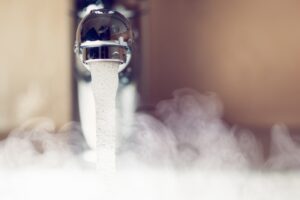 These days, with homeowners spending a lot more time in their living spaces than ever before, it’s easy to understand why home comfort has become a bit of a buzzword. Home comfort means a lot of things—having the right HVAC systems in place, addressing any indoor air quality issues you might have, and maintaining your plumbing system. A big part of that plumbing system? Your water heater!
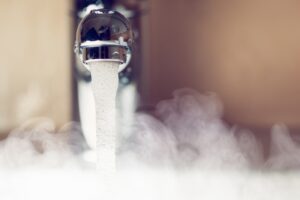
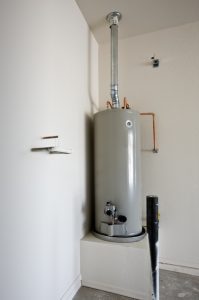 The short answer to this is “yes,” which might leave you wondering why. We have the answers you seek!
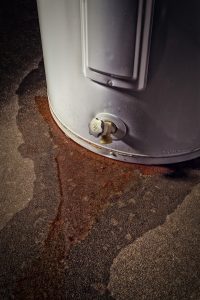 Water heaters look like sturdy devices. They should be: they’re essential parts of any home and must work almost every day of the year. As long as the water heater serving your household was professionally installed and receives routine maintenance each year, it should last more than a decade and possibly two.
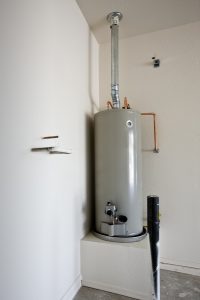 Water heaters are one of those things that many homeowners take for granted, even though it’s something that’s used every single day—could you imagine showering without hot water?
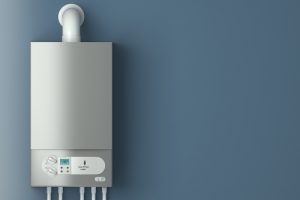 Chances are, you are familiar with the traditional water heater setup—storage tank water heaters are very noticeable, and often even a little noisy. This conventional water heater is found in most homes throughout the country, so many people realize that a tank water heater may need attention from time to time, in the form of system maintenance.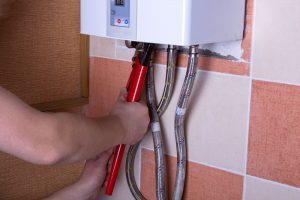
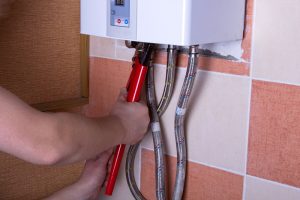 Standard storage-tank water heaters are the type most often found in homes today—it’s the conventional system that people are used to. They’re big, and very noticeable, even if “hidden” away in a closet. Therefore, even if you don’t spend a lot of time thinking about it, you do know that it needs service. After all, scaling from hard water can have a major negative impact on your water heater, allowing for a mineral buildup that clangs around and can ultimately cause damage to the system.
 The time has come—you’ve had your tank water heater for 15, maybe even 20 years, and there is no denying that it’s just not up to the job of effectively and efficiently keeping water inside of it warm. Perhaps you noticed the hot water volume has decreased and family members are going without warm showers—or maybe you even noticed corrosion.