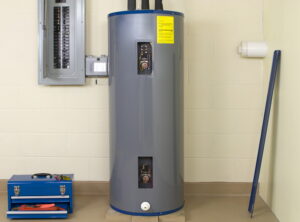
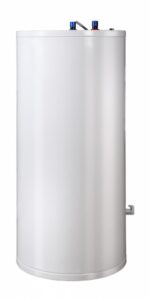
 We don’t typically get too technical in our blog posts. You don’t need to know all the ins and outs of your plumbing system, or all the lingo–that’s what we are here for! Still though, it is helpful to know some terms. If for any reason, to be aware of the importance of professional services, like water heater maintenance!
There is a very important component in your tank water heater that we check on during your maintenance appointment, and that’s the anode rod, which is sometimes referred to as the “sacrificial anode rod.” Read on to learn why it’s earned this nickname, and what you need to know about this component of your water heater.
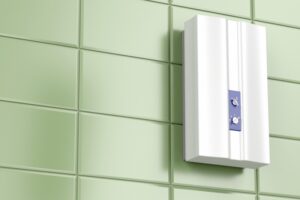 When it comes to storage tank water heaters—the more “traditional” type of water heater–they can be pretty big, and noticeable, sometimes even a bit noisy depending on where on your property they’re located. In other words, it can be hard not to pay attention to these systems, and you probably do think about the care they need throughout the years.
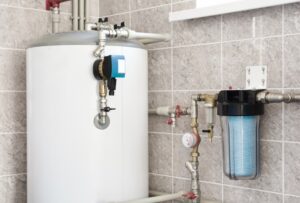 At the end of a hot day or at the end of a heavy workout, a cool shower sounds great, right? What doesn’t sound so great is being surprised by cool or even icy water hitting you in the shower when you were trying to take a hot one! This is clearly a sign that something is amiss with your water heater, and while it may be a repairable problem, there’s also a chance, depending on other factors, that it might be time for a water heater upgrade.
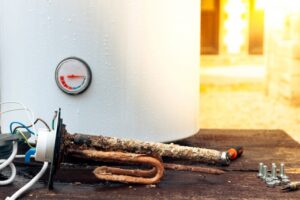 If we were to ask you to name one of the most important appliances in your home, that you likely take for granted, what would it be? If you said water heater, we’re bound to agree! The water heater in your home works pretty much 24/7 to allow you to shower whenever you want, wash dishes, do laundry, and more. If you’re using a tank model water heater, then you rely pretty heavily on one particular component–the anode rod.
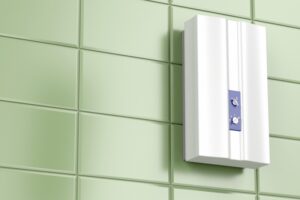 If you’ve ever seen a storage-tank water heater, which you probably have, then you know they are big, pretty noticeable, and can even be a bit noisy. In other words, it’s difficult not to pay attention to a traditional water heater, if that’s what you have in your household.
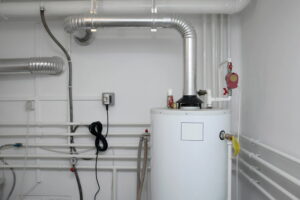 If we asked you to name the most important home comfort appliance in your home, what would you name? If you said your water heater, then we’re definitely on the same wavelength! The water heater within your home is a true workhorse. It provides you with the hot water you need to take a shower, wash dishes, do the laundry, and so much more. If you’re using a tank water heater, then there is a component that you rely on heavily for this to all happen, even though you’ve likely never heard about it–the anode rod.
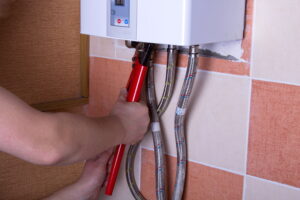 When most folks envision a water heater, they see a big tank, with pipes and water lines coming out of it. What if you take away the tank, though?
 The short answer to this is, “yes.” Why? Because of something called hard water and scaling. You’ve likely heard these terms before, but maybe you didn’t quite understand what they meant. Hard water refers to a water supply that has a large amount of minerals in it—namely calcium, magnesium, and iron. For most people, this is perfectly safe to ingest. But it’s not so great for your plumbing system, including the water heater.