
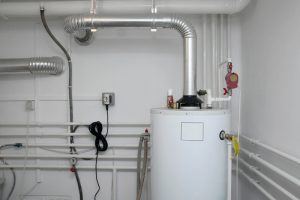
If we were to name an appliance you probably take the most for granted, what would it be? Assuming you got the hint in the title of this blog post, you know that it’s your water heater.
Water heaters are those systems that we all use every day, and we honestly don’t think much about them, until something goes wrong, that is. But choosing the right water heater for your specific home and needs can make a huge difference in efficiency, and therefore a difference in water bills.
Interested in learning more? Read on!
What factors determine the best water heater for your home?
The best water heater for your home depends on household demand, energy efficiency, and available installation space. When planning water heater service, professionals evaluate several key factors:
- Number of people in the home and daily hot water usage
- Tank vs. tankless water heater systems
- Energy source such as gas, electric, or hybrid
- Tank size or required flow rate
- Energy efficiency and operating costs
Professional water heater services help ensure the system is properly sized and installed for reliable, efficient hot water.
Your Water Heater Options
There are a number of options to choose from when having a water heater installed, not to mention types of water heaters! You may have only ever heard of a traditional storage tank water heater, and if that’s the case you should know there’s also tankless models, high-efficiency water heaters, and even heat pump water heaters.
For the sake of today’s post, we’re going to talk about a water heater type that’s been growing in popularity, and for good reason—the tankless water heater. How can you tell if this is right for your home, though? Learn more about the pros and cons of such as system as well as its storage tank counterpart, and decide for yourself (though we’re always here to help you make an educated decision).
The Highs and Lows of Going Tankless
Tankless water heaters, also referred to as “on-demand” water heaters, deliver hot water to your home only when necessary. They heat water directly as it moves through the system without using a storage tank. When a hot water tap is turned on, either a gas burner or electric heating element heats up the water.
While a tankless system can be temporarily overwhelmed if it’s not big enough for the demand of your home, you will never “run out” of hot water. The risk of standby heat loss is eliminated as well, since there is no storage tank holding the water. Oh and also, no storage tank means that you’ll have better space savings.
The installation of such a system is more costly than installing its tank counterpart but what it will save you over time in electric bills may make this investment worth it.
The Pros and Cons of Sticking with a Tank
Storage tank water heaters, the traditional water heater you’re probably most used to seeing, are usually the standard choice for homeowners. They store a supply of water in a tank, and maintain that water at a steady temperature.
Fresh, cold water enters the bottom of the tank, where it’s heated and rises to the top to be used as requested. When a hot water tap is turned on, a circulator pump moves the heated water from the top of the tank into the plumbing system.
Some homeowners decide to stick with a tank system because it’s more affordable than the alternative, and because the installation is fairly easy and minimally disruptive. But for the best in efficiency and savings, you would do well to consider a tankless water heater!
Frequently Asked Questions
Question: How do you choose the right water heater for your home?
Answer: Choosing the right water heater depends on factors such as household size, daily hot water usage, available space, and energy preferences. Some homes benefit from traditional tank systems, while others may prefer tankless units for efficiency. A professional plumber can help evaluate your home’s needs and recommend the most suitable option.
Question: What size water heater does a household need?
Answer: The right size water heater depends on how much hot water your household uses and how many fixtures run at the same time. Larger families typically require higher tank capacity or a tankless unit with greater flow rate. Proper sizing ensures you have consistent hot water without overloading the system.
Question: What are the main types of water heaters available for homes?
Answer: The most common residential water heaters are traditional tank systems and tankless units. Tank water heaters store a set amount of heated water for immediate use, while tankless models heat water on demand. Both types can operate using electricity, natural gas, or propane depending on the home’s setup.
Question: Are tankless water heaters better for long-term performance?
Answer: Tankless water heaters can last longer than many traditional tank models when properly maintained. They also avoid standby heat loss because they heat water only when needed. However, they must be correctly sized to handle household demand, since heavy simultaneous use can overwhelm smaller units.
Question: Why should a professional plumber help select a water heater?
Answer: A professional plumber can evaluate your home’s plumbing system, hot water demand, and installation requirements before recommending a unit. Expert guidance helps ensure the system is correctly sized, installed safely, and optimized for efficiency, reducing the risk of poor performance or unnecessary energy costs.
Contact Performance Plumbing for your St. Louis, MO water heater services.