
If you’ve ever noticed spots on your dishes, dry skin after showering, or stubborn scale buildup on your faucets, you might be dealing with hard water. For many homeowners, the question arises: Do I really need a water softener? Understanding how hard water affects plumbing can help you decide if installing a water softener is the right choice
What Is Hard Water and Why It Matters
Hard water contains high levels of dissolved minerals—primarily calcium and magnesium. These minerals are naturally picked up as water travels through soil and rock formations before entering your home’s plumbing system. While hard water isn’t harmful to your health, it can cause significant problems around the house, especially affecting your plumbing and appliances.
How to Tell If Hard Water Is Damaging Your Plumbing
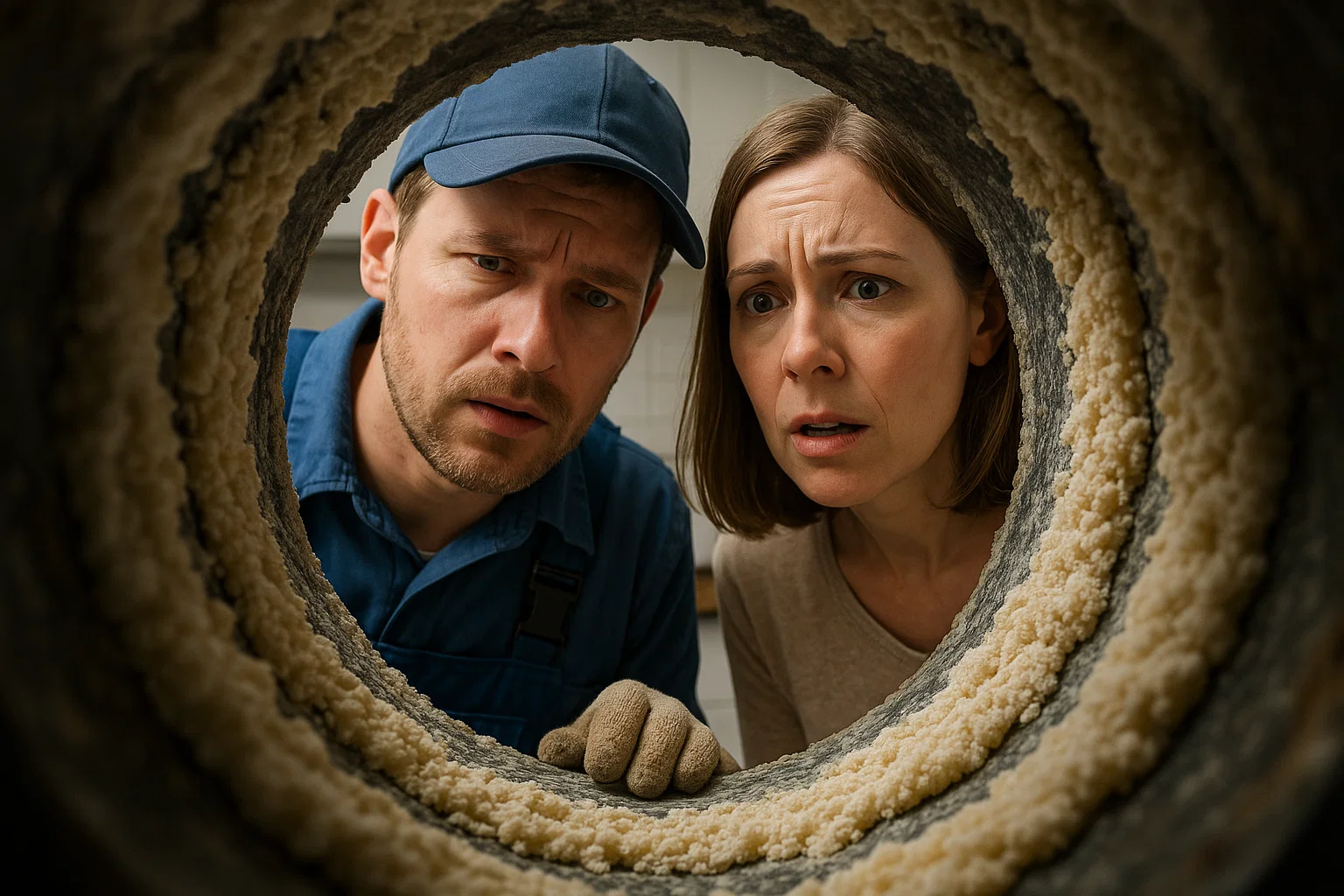
One of the most common indicators of hard water is scale buildup inside your pipes and fixtures. Over time, calcium and magnesium minerals precipitate out and accumulate, leading to narrow or clogged pipes that reduce water flow and pressure. This buildup can cause:
- Reduced water pressure throughout your home
- Clogged showerheads and faucets
- Leaking or burst pipes from mineral deposits that weaken plumbing
- Decreased lifespan of water heaters and appliances due to scale buildup on heating elements
In addition to plumbing issues, common signs of hard water include:
- Soap scum on tubs, sinks, and shower doors
- Spots and streaks on dishes and glassware even after washing
- Dry, itchy skin and dull hair due to minerals reacting with soap
- Laundry that looks dingy or feels rough
How a Water Softener Solves Hard Water Problems
A water softener is a home system designed to reduce the hardness of your water by removing calcium and magnesium ions and replacing them with sodium or potassium ions. This process, called ion exchange, prevents minerals from accumulating in your plumbing and appliances.
Benefits of installing a water softener include:
- Protecting plumbing and appliances: By reducing scale buildup, you extend the life of your pipes, water heater, dishwasher, and washing machine, saving on repairs and replacements.
- Improved water pressure: Less mineral buildup means clearer pipes and consistent water flow.
- Better soap performance: Soft water allows soaps and detergents to lather more effectively, reducing soap scum and leaving skin and hair feeling cleaner and softer.
- Spot-free dishes and glassware: No more hard water stains or cloudy glasses after washing.
- Cleaner laundry: Clothes come out brighter and softer, with less detergent needed.
Do You Actually Need a Water Softener?
Whether you need a water softener depends on the hardness level of your water and the problems you’re experiencing. Water hardness is typically measured in grains per gallon (gpg):
- 0–3.5 gpg = Soft water
- 3.5–7 gpg = Moderately hard
- 7–10.5 gpg = Hard
- Over 10.5 gpg = Very hard
If your water tests in the hard or very hard range, a water softener can provide significant benefits. Homeowners who notice persistent plumbing issues, high energy bills due to inefficient water heaters, or skin and laundry problems often find that installing a water treatment system is a worthwhile solution.
If you’re unsure whether a water softener is right for your home, a professional water test and plumbing inspection with our team can help you make an informed decision.
Frequently Asked Questions
Question: What is hard water and how does it affect my plumbing?
Answer: Hard water contains high levels of dissolved minerals like calcium and magnesium. These minerals can build up inside your pipes and fixtures over time, causing scale buildup, reduced water flow, clogged showerheads, and decreased appliance efficiency if left untreated.
Question: How can I tell if hard water is causing problems in my home?
Answer: Common signs of hard water include mineral scale on faucets and dishes, low water pressure, soap not lathering well, dry skin and hair, and laundry that looks dull or feels rough. A professional water hardness test can confirm the severity.
Question: What does a water softener do to help with hard water?
Answer: A water softener reduces water hardness by removing calcium and magnesium ions and replacing them with sodium or potassium. This prevents mineral buildup in plumbing and appliances, improves water flow, enhances soap effectiveness, and helps protect your home’s systems.
Question: Do I really need a water softener for my home?
Answer: Whether you need a water softener depends on your water’s hardness level and the problems you’re experiencing. If tests show your water is hard or very hard, and you’re facing persistent issues like scale buildup or plumbing wear, a softener can be a worthwhile investment.
Question: Can a water softener improve water pressure and appliance lifespan?
Answer: Yes. By reducing mineral scale that narrows pipes and coats heating elements, a water softener can help maintain water pressure and extend the life of water heaters, dishwashers, and other appliances.
Contact Performance Plumbing today for plumbing services in St. Louis, MO today!