One of the most common ways that homeowners treat their clogged or dirty drains is with store-bought chemical drain cleaners. But, this can be a mistake. Actually, it probably will be a mistake.
Hear us out! We get it—this is a quick, affordable method to get the job done quickly. But affordable quick fixes aren’t always the best choice—especially when that choice can lead to costly, urgent problems later one.
Read on as we uncover the best way to do drain cleaning—by calling a professional and forgoing store-bought “solutions.”
If there’s any home comfort appliance that doesn’t get enough credit for how much it does for your household, it’s probably your water heater.
These systems are built durably, going under a lot of stress throughout the year—some of them never even turn off for that long, staying on to maintain a steady, standing supply of hot water at all times. However, even the sturdiest system will eventually need repair and even replacement.
There will be times when a water heater malfunctions, and it’s important that you understand when it’s time to call a pro. One of the main signs of a water heater that’s struggling is that you notice a drop in hot water output. If you discover this, it’s time to give us a call. This can happen for a number of reasons, which we’ve covered below:
If we asked you to name a time you saw someone discovering a leak when a rainstorm hit, and the leak was coming from a super obvious location like the middle of the ceiling, you would probably say “in a movie,” or “in a TV show,” right? That’s because this isn’t usually the reality of a leak.
Most plumbing leaks are a lot more subtle than that, and hidden. The problem is, though, that even though they seem subtle, they can do a lot of damage before they become obvious. Instead of having a little hole in your roof to patch up after a rainstorm, you could have thousands of dollars in drywall and flooring to replace after a slab leak or a leak behind a wall.
We don’t say this to panic you, but rather to stress the importance of knowing the warning signs to watch out for that indicate you do in fact have a plumbing leak. Read on to find out what they are!
If we were to ask you what the most important part of your plumbing system is, what would your answer be? If it’s “my sewer line,” we’d be inclined to agree! After all, it has a big job of removing wastewater from your home and moving it into the municipal sewer system, safely and hygienically away from your home. Sewer lines are typically buried beneath the ground, in the back or front yard, where they’re safe from damage due to inclement weather or wear and tear.
That doesn’t mean they’re indestructible, however. Landscaping like trees and shrubs can grow roots that infiltrate the line, for example. A shift in the soil can create instability and cause your pipes to shift and break, as well.
If any of this does happen, all you have to do is give our team a call! But first, you’d need to know you even have a problem. Keep reading as we go over some of the most common signs of sewer line leaks.
If you’re like many homeowners, when you discover that you have a clog, your first instinct is probably to reach for that bottle of chemical, store-bought drain cleaning “solution” that you got at the grocery store.
The problem with this is… you’re probably doing more harm than good.
That’s right, these chemical solutions can actually hurt your drains and the rest of your plumbing system. While they may temporarily clear out the affected pipe, they do so at a considerable cost—one that most homeowners don’t realize they’re paying.
Read on to learn more about what you’re doing to your plumbing system when you use store-bought remedies and what you can do instead.
Your water heater is probably the most underrated appliance in your home. Think about it—you use it every day, but do you really think about it every day? Chances are, the answer to that is no. That is, no, until something goes wrong with it.
The fact of the matter is, no water heater lasts forever. But the good news is, if yours is getting ready to fail, upgrading to a new, higher efficiency model is only going to benefit you! Today’s water heaters are much more efficient than those of even 5-10 years ago, which means that when you replace yours, you’ll start saving energy and subsequently start saving money each month.
But, how do you know it’s actually time to replace this system? Many homeowners, after all, wait until it’s too late to upgrade theirs—meaning their water heater completely breaks down and they’re left without hot water for days. This doesn’t have to be your story! Read on as we uncover the signs that it’s time for you to make the upgrade.
These days, with homeowners spending a lot more time in their living spaces than ever before, it’s easy to understand why home comfort has become a bit of a buzzword. Home comfort means a lot of things—having the right HVAC systems in place, addressing any indoor air quality issues you might have, and maintaining your plumbing system. A big part of that plumbing system? Your water heater!
Water heaters are one of the unsung heroes of any home. They’re an appliance we use every day and yet you likely take it for granted. Due to this, you may actually be using your water heater inefficiently, and paying more than you should have to in order to use it. The good news is, there are ways to boost your water heater efficiency. Read on as we uncover some of them!
The thing about scaling, is that it’s easy to clean out and off of facuets and drain openings. But it’s not so easy to clean out when it comes to your water heater—for that you will need professional maintenance.
It seems like we blinked and then the holiday season was upon us, right? Like it or not, it’s time to start making plans—and of course this year those plans are going to look a lot different than we thought they would. Still though, whether it’s your adult children coming over or a few people in your “quaranbubble” the fact is that you might be having guests over for the holidays. And with guests comes an increased demand on your plumbing system, believe it or not.
Read on as we uncover some of the most common plumbing repair calls we get this time of the year, and learn what to do about them.
When it comes to water heater service, it’s important to answer common questions about who should handle installation or repairs. Professional water heater service is essential to ensure your system is installed correctly, maintained regularly, and ready to support your daily routine with minimal disruption. Water heaters play a crucial role in keeping your house comfortable and functional, providing hot water for showers, cleaning, and more.
If there is any appliance in the average home that gets taken the most for granted, we’re going to hazard a guess and say it’s the water heater. We rely on these systems the most out of all the other systems in our home, but don’t typically think about them, until something goes wrong. When your water heater stops working, it can disrupt your daily routine and requires prompt, reliable service to restore comfort. Dealing with the inconvenience of no hot water can be a major challenge, making it important to address repairs quickly.
While a handyman can answer minor water heater needs and is suitable for small jobs, a certified plumber is the best choice for complex installation or repair tasks.
Introduction to Water Heaters
Water heaters are the unsung heroes of our daily routines, quietly ensuring that hot water is always ready when we need it—whether it’s for a relaxing shower, washing dishes, or doing laundry. As a crucial part of any residential or commercial plumbing system, a reliable water heater keeps hot water flowing throughout your home, supporting comfort and convenience every day.
There are several different types of water heaters to choose from, each offering unique advantages. Electric water heaters are a popular choice for many homeowners thanks to their straightforward installation and safety features. Heating elements in electric water heaters are a common failure point and may need to be replaced to fix issues with hot water supply. Gas water heaters, on the other hand, are known for their efficiency and ability to heat water quickly, making them ideal for households with higher hot water usage. Tankless systems, also called on-demand or tankless models, provide endless hot water by heating water only when you need it, saving space and energy in the process.
No matter which type of water heater you have, professional water heater services are essential to keep your system working properly. From expert water heater installation to timely water heater repair, trained technicians ensure your unit operates safely and efficiently. Routine maintenance—such as checking the temperature and pressure relief valve, inspecting the anode rod, and removing sediment buildup—can help prevent common problems like leaks, corrosion, and strange noises, while also extending the life of your water heater. Common issues that may require service include broken heating elements, thermostat problems, and sediment buildup. The average lifespan of a tank water heater is 10 years, and if your unit is over 8–12 years old, it may be time for repair or replacement. Heating element replacement is necessary for electric units failing to produce hot water.
Choosing the right water heater for your home involves considering factors like hot water usage, available space, energy efficiency, and your household’s specific needs. Whether you’re interested in electric units, gas systems, or the latest tankless models, professional installation and regular maintenance are key to enjoying reliable hot water and peace of mind. If your water heater develops a problem, it’s important to call a professional to fix the issue and restore your hot water supply.
In the following sections, we’ll dive deeper into the details of water heater installation, repair, and maintenance, explore the benefits of professional services, and help you decide which type of water heater is the best fit for your home or business.
Hot Water Needs and Usage
Understanding your household’s hot water needs is the first step toward a successful water heater installation. Every home is unique, and the amount of hot water you require depends on several factors, including the number of people living in your house, your daily routines, and your personal preferences. For example, a busy family with multiple bathrooms and frequent laundry loads will have a much higher hot water usage than a single resident in a compact apartment.
Professional water heater services can help you accurately assess your hot water demand by considering your lifestyle, the frequency of showers, dishwashing, and laundry, as well as any special requirements you might have. This assessment ensures that your new water heater is sized correctly, so you always have reliable hot water flowing when you need it most. Choosing the right heater for your installation means you won’t have to worry about running out of hot water during peak times or wasting energy on an oversized unit. By working with professionals, you can be confident that your water heater installation will meet your needs, support your daily life, and provide consistent, efficient hot water for years to come.
What are the benefits of installing a tankless water heater?
Installing a tankless water heater provides on-demand hot water, greater energy efficiency, and a longer lifespan compared to traditional tanks. The main difference between tank and tankless water heaters is that tank models store and continuously heat a large volume of water, while tankless units heat water only as needed, providing hot water instantly and saving energy. These units save space, reduce standby energy loss, and offer lower utility bills over time. While initial installation can be more expensive, the long-term savings often outweigh the upfront cost. It’s important to consider both the immediate and future costs when choosing a water heater, as ongoing energy expenses and investment value can impact your overall savings.
And when something goes wrong that leads you to consider whether to repair or replace your water heater, you’ll probably be tempted to rush into a purchase to get your comfort back as quickly as possible. We really want to encourage you to do your research though, and get our help determining what type of water heater is best for you. Repairs are often cost-effective compared to replacement, but when repair isn’t enough, complete water heater replacement options are available. Sure, you can go with another tank water heater if that’s what you’ve always had. But what if a tankless system could serve you better? A good place to begin is by understanding which water heater fits your needs. Read on to learn more!

 One of the most common ways that homeowners treat their clogged or dirty drains is with store-bought chemical drain cleaners. But, this can be a mistake. Actually, it probably will be a mistake.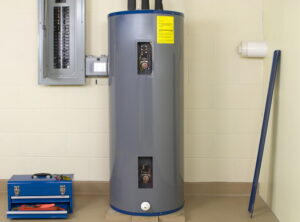
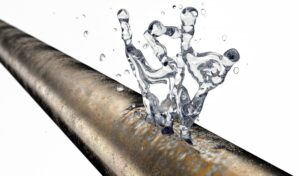 If we asked you to name a time you saw someone discovering a leak when a rainstorm hit, and the leak was coming from a super obvious location like the middle of the ceiling, you would probably say “in a movie,” or “in a TV show,” right? That’s because this isn’t usually the reality of a leak.
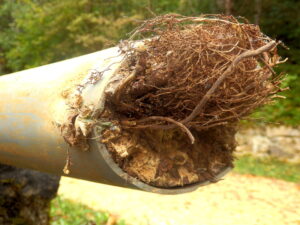 If we were to ask you what the most important part of your plumbing system is, what would your answer be? If it’s “my sewer line,” we’d be inclined to agree! After all, it has a big job of removing wastewater from your home and moving it into the municipal sewer system, safely and hygienically away from your home. Sewer lines are typically buried beneath the ground, in the back or front yard, where they’re safe from damage due to inclement weather or wear and tear.
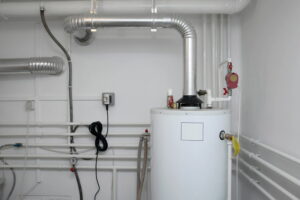 Your water heater is probably the most underrated appliance in your home. Think about it—you use it every day, but do you really think about it every day? Chances are, the answer to that is no. That is, no, until something goes wrong with it.
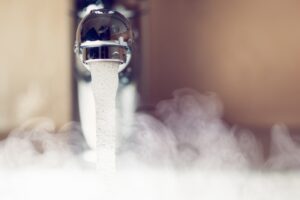 These days, with homeowners spending a lot more time in their living spaces than ever before, it’s easy to understand why home comfort has become a bit of a buzzword. Home comfort means a lot of things—having the right HVAC systems in place, addressing any indoor air quality issues you might have, and maintaining your plumbing system. A big part of that plumbing system? Your water heater!
 It seems like we blinked and then the holiday season was upon us, right? Like it or not, it’s time to start making plans—and of course this year those plans are going to look a lot different than we thought they would. Still though, whether it’s your adult children coming over or a few people in your “quaranbubble” the fact is that you might be having guests over for the holidays. And with guests comes an increased demand on your plumbing system, believe it or not.