
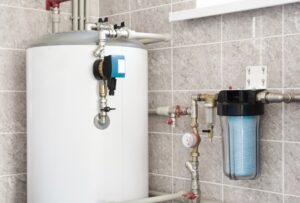
 At the end of a hot day or at the end of a heavy workout, a cool shower sounds great, right? What doesn’t sound so great is being surprised by cool or even icy water hitting you in the shower when you were trying to take a hot one! This is clearly a sign that something is amiss with your water heater, and while it may be a repairable problem, there’s also a chance, depending on other factors, that it might be time for a water heater upgrade.
The lack of hot water, then, is not the only sign that your water heater is starting to fail. But it’s one of a few that should definitely alert you to something being wrong, which means you should give our team a call ASAP. We’ll share some signs below that indicate something is off with your water heater. If you’ve picked up on any of them, it means it’s time to start looking at your replacement options.
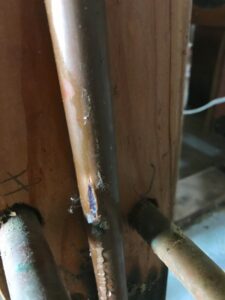 If you’ve lived through even one St. Louis winter, then you know just how impossibly chilly it gets! With that decline in temperature comes an unfortunately popular problem–frozen pipes. And, frozen plumbing has the potential to lead to a lot of damage if not properly addressed. The problem isn’t so much the freezing itself, but the thawing. Thawing creates a negative pressure within the pipes, and this is what leads to your pipes bursting.
 If we were to ask you to name one of the most important appliances in your home, that you likely take for granted, what would it be? If you said water heater, we’re bound to agree! The water heater in your home works pretty much 24/7 to allow you to shower whenever you want, wash dishes, do laundry, and more. If you’re using a tank model water heater, then you rely pretty heavily on one particular component–the anode rod.
 As you cook your holiday meal this season, please hesitate before throwing certain cooking and food byproducts down your kitchen sink drain, and take a moment to read this blog post.
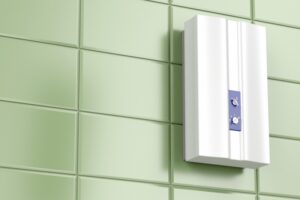 If you’ve ever seen a storage-tank water heater, which you probably have, then you know they are big, pretty noticeable, and can even be a bit noisy. In other words, it’s difficult not to pay attention to a traditional water heater, if that’s what you have in your household.
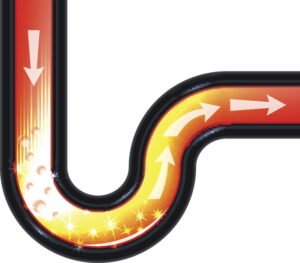 The last almost 2 years now have found us at home more than ever before. As a result, we’re all getting a lot more use out of our home comfort systems, including our plumbing systems. While taking care of your plumbing system is always a good idea, it’s even more pertinent now.
 One of the most frequent calls that professional plumbers receive is in regards to their bathroom plumbing–maybe they have a clogged bathroom sink drain, or the showerhead won’t stop leaking, or the worst–their toilet has a problem. And usually, it all comes down to one main issue–their toilet won’t stop running. While this doesn’t sound like a major problem, it can actually lead to you wasting hundreds of gallons of water each year. That’s water you are otherwise paying for but not actually using.
 If you’ve never heard the phrase hard water before, it can sound a little ominous. It can certainly create problems! The good news is, hard water is not harmful to ingest. It is, however, harmful to your plumbing system over time.
 If we asked you to name the most important home comfort appliance in your home, what would you name? If you said your water heater, then we’re definitely on the same wavelength! The water heater within your home is a true workhorse. It provides you with the hot water you need to take a shower, wash dishes, do the laundry, and so much more. If you’re using a tank water heater, then there is a component that you rely on heavily for this to all happen, even though you’ve likely never heard about it–the anode rod.
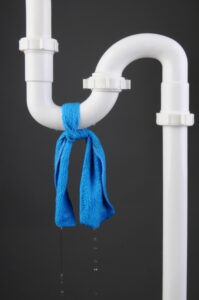 The sometimes tricky thing about plumbing issues is they’re really good at hiding! They often occur behind the walls of your home, and sometimes even under the foundational slab of your property, so they’re often almost undetectable. Some plumbing problems, however, such as a clogged drain or a leaky faucet, are pretty apparent and you don’t really need to know the signs since you can see them clearly.