
 Imagine this scenario: you’re peacefully sleeping or relaxing in your home, and then all of the sudden your peace is disrupted by a persistent knocking noise. It’s not coming from the front door—rather, it’s coming from… inside your walls!
No, this probably isn’t the sign of a haunted house. A much more likely scenario is that what you’re heating is your plumbing pipes knocking. This is definitely not a sound to be too alarmed by, but that doesn’t mean you can ignore the problem either, and that can cause plumbing problems like pinhole leaks and loose plumbing joints.
Read on as we dive into what causes knocking pipes and what you can do about it.
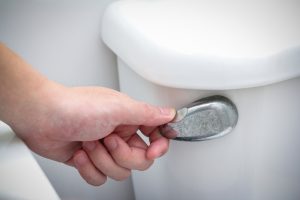 One of the most common calls we get in regards to toilet plumbing is about a toilet that won’t stop running. It sounds like a bad joke, but unfortunately, it’s actually a reality for many homeowners throughout the country. Fortunately, though, it’s not a serious problem. Not for our plumbers, anyway.
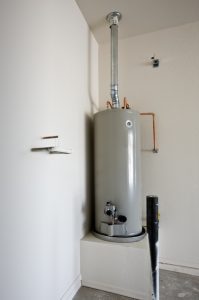 The short answer to this is “yes,” which might leave you wondering why. We have the answers you seek!
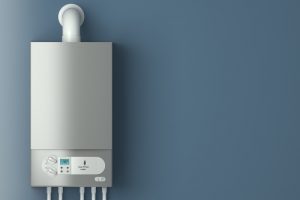 If there is any appliance that homeowners take for granted, we’d safely bet that it’s the water heater. You know, until something goes wrong with it! Water heaters are the most often used appliance in any given home, and when something goes wrong with it you’re typically faced with costly repairs or replacement.
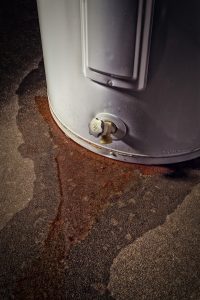 Water heaters look like sturdy devices. They should be: they’re essential parts of any home and must work almost every day of the year. As long as the water heater serving your household was professionally installed and receives routine maintenance each year, it should last more than a decade and possibly two.

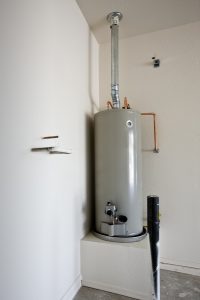 Water heaters are one of those things that many homeowners take for granted, even though it’s something that’s used every single day—could you imagine showering without hot water?
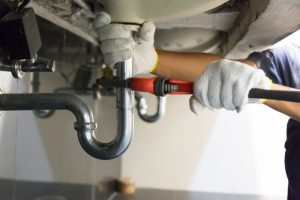 In the best-case scenario, a “plumbing problem” will mean that you have a drippy faucet or a pinhole leak that you may be able to, at least temporarily, fix on your own. Or perhaps you have a superficial clog in a drain that won’t take anything more than a plunger and some good ol’ fashioned “elbow grease” to relieve. In a worst-case scenario though, your plumbing problem will mean that you need repiping.
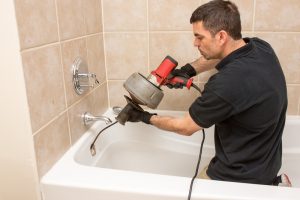 It’s pretty much inevitable that at some point, you will encounter a clogged drain in your home. What’s your first instinct when this happens? If you’re like many homeowners, it’s likely to reach for a bottle of store-bought chemical drain cleaner.