
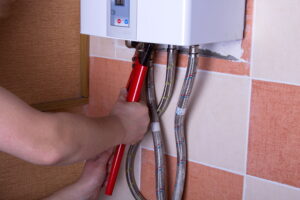
 When most folks envision a water heater, they see a big tank, with pipes and water lines coming out of it. What if you take away the tank, though?
Maybe you’re scratching your head–if you’ve never actually seen a tankless system in action, this is understandable. But it’s just what it sounds like! It’s a water heater that does not require the use of a tank holding gallons of hot water. It’s a great piece of technology with a number of benefits.
What makes a tankless water heater a smart upgrade?
A tankless water heater heats water only when needed, reducing energy use by up to 50% compared to traditional tanks. It saves space, lasts longer, and provides a continuous hot water supply. Proper installation and regular maintenance are essential to ensure efficiency and long-term performance.
Read on to learn what these benefits are!
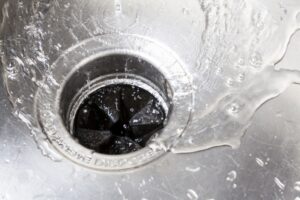 Do you know how to tell when it’s time for a drain cleaning? Better yet, do you know what to do when you need a drain cleaning?
 You may have heard the term hard water at some point, yet not really understood exactly what it was. That’s okay, we’re here to help! Hard water isn’t something that’s harmful to you or your family, so let’s get that out of the way. It simply describes water with a high level of minerals in it—namely magnesium, calcium, and iron.
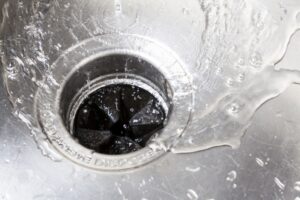 If we asked you what the #1 most common and annoying plumbing problem is, what would your answer be? Our answer would be a drain clog—that’s what we hear from most of our customers. Just about everyone has dealt with a clogged up or slow drain at some point in their home—and we certainly deal with a lot of drain clogs in the homes we serve.
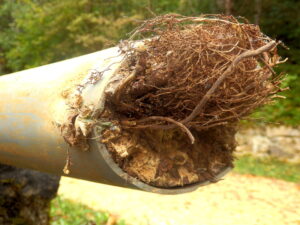 If we were to ask you what the most important part of your plumbing system is, what would your answer be? If it’s “my sewer line,” we’d be inclined to agree! After all, it has a big job of removing wastewater from your home and moving it into the municipal sewer system, safely and hygienically away from your home. Sewer lines are typically buried beneath the ground, in the back or front yard, where they’re safe from damage due to inclement weather or wear and tear.
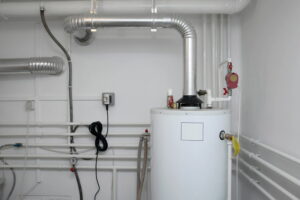 Your water heater is probably the most underrated appliance in your home. Think about it—you use it every day, but do you really think about it every day? Chances are, the answer to that is no. That is, no, until something goes wrong with it.
 These days, with homeowners spending a lot more time in their living spaces than ever before, it’s easy to understand why home comfort has become a bit of a buzzword. Home comfort means a lot of things—having the right HVAC systems in place, addressing any indoor air quality issues you might have, and maintaining your plumbing system. A big part of that plumbing system? Your water heater!
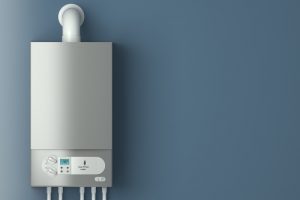 If there is any appliance that homeowners take for granted, we’d safely bet that it’s the water heater. You know, until something goes wrong with it! Water heaters are the most often used appliance in any given home, and when something goes wrong with it you’re typically faced with costly repairs or replacement.
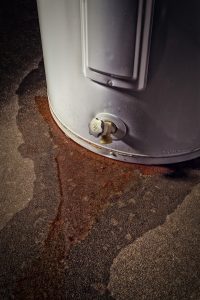 Water heaters look like sturdy devices. They should be: they’re essential parts of any home and must work almost every day of the year. As long as the water heater serving your household was professionally installed and receives routine maintenance each year, it should last more than a decade and possibly two.