
 It may seem like common sense how to use your plumbing. You turn a tap on when you need water, and turn it off when you want the water to stop. Right?
Well, yes, but there are actually some “dos” and “don’ts” of plumbing that can help reduce wear and tear on various plumbing components in your home, and help you avoid sudden plumbing repair needs. Of course, we are always here if you do need plumbing repair, so give us a call right away when you do!
In the meantime, read on to discover some of the best ways to use your plumbing system in order to avoid problems.
 We don’t typically get too technical in our blog posts. You don’t need to know all the ins and outs of your plumbing system, or all the lingo–that’s what we are here for! Still though, it is helpful to know some terms. If for any reason, to be aware of the importance of professional services, like water heater maintenance!
 One of the most frustrating issues you can face in your home, particularly with your bathroom plumbing, is a toilet that doesn’t stop running, no matter how long you wait. Not only is this annoying to listen to, but it will cost you in wasted water, and therefore wasted money.
 We recently wrote about
  When you imagine all the things that might go wrong with a plumbing system, hard water is probably not one o your concerns, right? After all, things like a clogged toilet, a leaky faucet, or a burst pipe—those things are emergencies… “hard water” doesn’t even make a “top 10” list of worst plumbing problems to have.
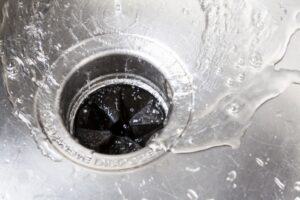 When homeowners are on the search for the best ways to care for their homes, they typically are on the lookout for DIY tips. This makes sense–oftentimes DIY solutions to just about any home improvement or home care project are going to be more affordable. But when you’re looking at “what’s most affordable” are you just considering the upfront costs, or are you considering the long-term costs?
 Planning a kitchen remodel–that is, planning a kitchen remodel that will be successful, starts with hiring the right contractors. While a general contractor has basic knowledge of what’s needed for your kitchen remodel, it can be a crapshoot about the sort of subcontractors they choose, and therefore you may end up with electrical and plumbing problems when the job is done.
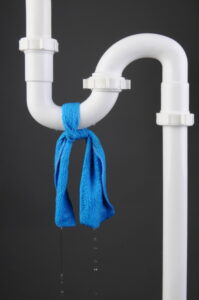 We’ve all seen them—those shows or movies that depict a homeowner discovering a leak when a massive rainstorm hits or when they really need to get their living space ready for a gathering. These are scenes that typically involve buckets being placed all throughout the home, or an aggressive stream of water spewing out of a kitchen sink cabinet.
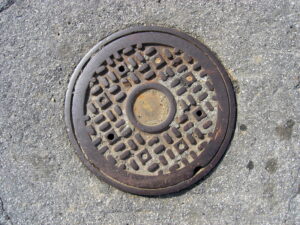 Nobody likes to think about one particular part of their plumbing system, but the truth is that it’s maybe the most important part of the plumbing system, allowing for wastewater to safely and hygienically leave the property.
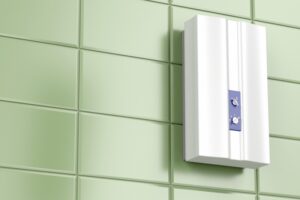 When it comes to storage tank water heaters—the more “traditional” type of water heater–they can be pretty big, and noticeable, sometimes even a bit noisy depending on where on your property they’re located. In other words, it can be hard not to pay attention to these systems, and you probably do think about the care they need throughout the years.